
Padel Court
Construction
What to Expect When Building a Padel Court: Design, Groundworks and Construction Expertise
If you’re considering building a padel court, understanding the construction process is key to delivering a facility that performs well long-term.
At PCC Contracting, we specialise in padel court construction across the UK, supporting clients from early-stage feasibility through to completed builds. While installation is a critical phase, it is the construction and groundwork stages that ultimately define the quality, durability and performance of the court.
Whether you are a developer, leisure operator or private client, our role as experienced padel court builders is to ensure every stage of the build is handled correctly from the ground up.
The Process of Building a Padel Court from the Ground Up
When it comes to padel court construction, the finished court is only a small part of the overall picture. What ultimately defines the quality, performance and lifespan of a court is the process behind how it is built.
For anyone considering building a padel court in the UK, understanding that process early on is essential. While the installation phase is often the most visible, the real work — and the biggest variables in both cost and outcome — sit within the early stages of construction.
Every project begins with the site itself. On paper, a space may appear suitable, but in reality, a number of factors can quickly influence how straightforward — or complex — the build becomes. Early assessment is critical, as it allows experienced padel court builders to identify constraints and shape the project correctly from the outset. Typically, this involves reviewing:
- Ground conditions and soil type
- Drainage and water management requirements
- Access for machinery and materials
- Available space and overall layout
Once the site is understood, attention turns to planning. In many UK cases, particularly for commercial courts or those incorporating lighting, planning approval will be required. This stage often brings considerations around noise, lighting impact and how the court integrates with its surroundings. While it can feel like a formality, it plays a key role in ensuring the project can move forward without disruption.
With planning in place, the project moves into the most critical phase of all — the groundworks. This is where the site is prepared, shaped and built up to create a stable, long-lasting base. Although it sits beneath the surface, this stage has the greatest influence on how the court performs over time. Groundworks typically include:
- Excavation and preparation of the site
- Installation of a stable sub-base
- Drainage system design suited to UK conditions
In a climate like the UK, drainage is not optional. Without it, water can accumulate beneath the surface, leading to issues such as uneven play, premature wear and increased maintenance. A well-executed groundwork phase, on the other hand, ensures consistent ball bounce, structural stability and long-term durability.
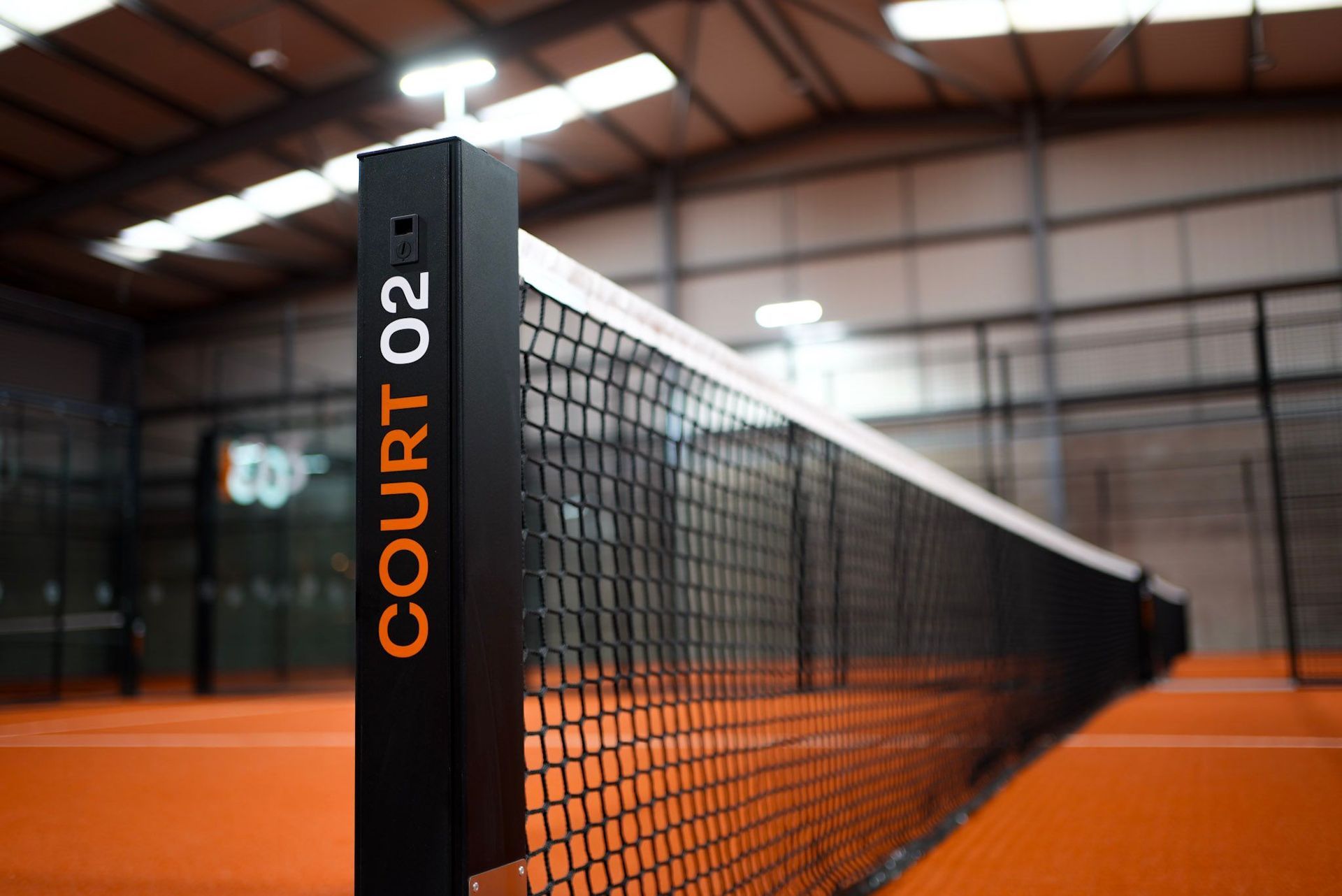
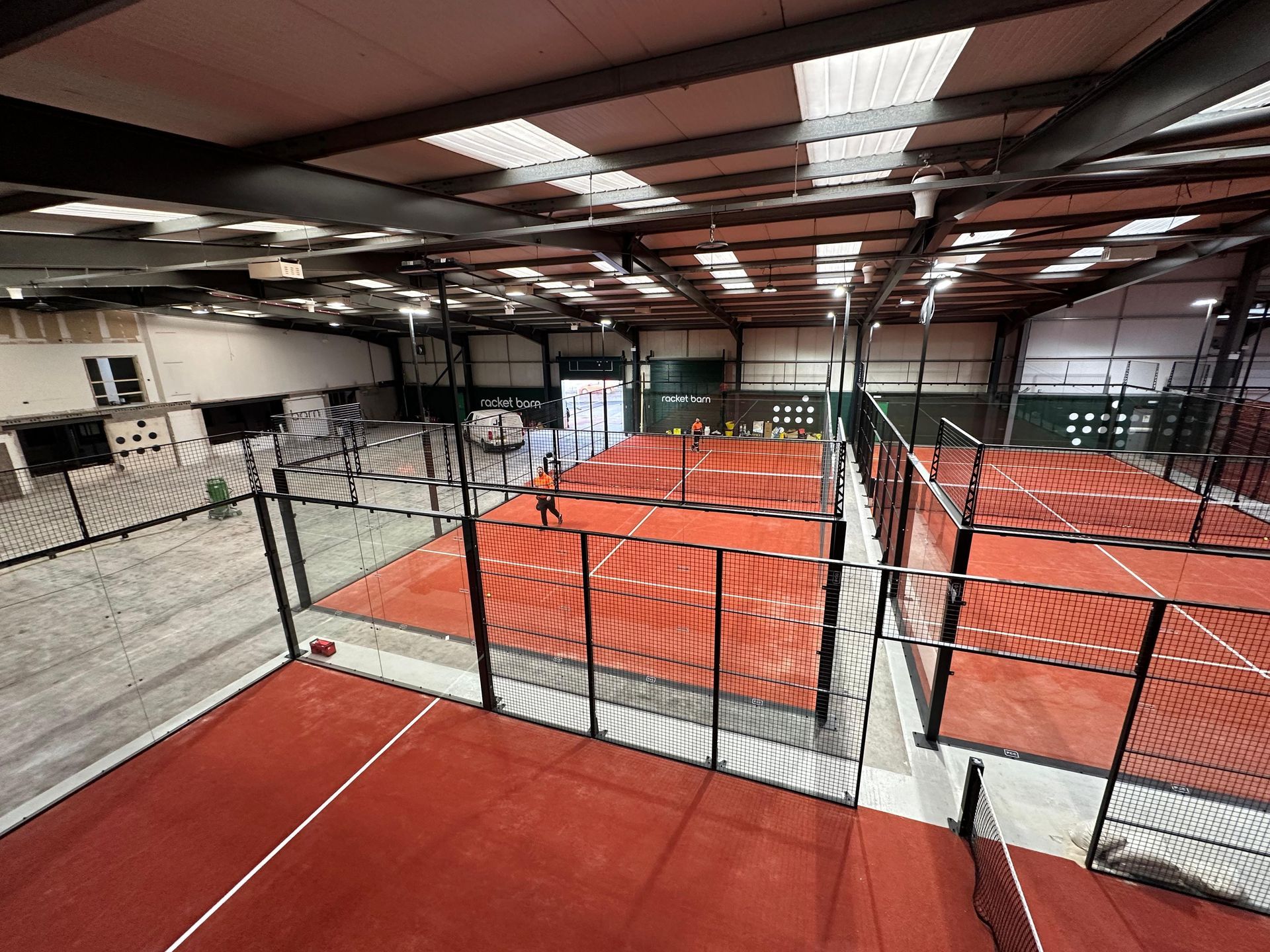
Once the foundation is in place, the construction begins to take shape. The court structure is installed, bringing together the elements that are most visible to the end user. This includes the steel frame, glass panels and artificial turf surface. While this stage may appear straightforward, precision is essential. Small variations in alignment or finish can have a noticeable impact on how the court plays.
As the build progresses, the final elements are introduced to bring the court into operation. This typically includes lighting and surrounding works, such as access routes or finishing touches. Lighting in particular plays an important role, extending usable hours and increasing overall utilisation — especially during the darker months.
Although the process itself follows a clear sequence, no two padel court projects are ever identical. Site conditions, location and intended use all influence how the court is constructed. From experience, the projects that perform best over time are those where attention has been given to the details that are not immediately visible.
In practice, two courts can look almost identical on completion, yet perform very differently over the years that follow. The difference is rarely in the materials themselves, but in how the groundwork was carried out and the level of precision applied during construction.
For that reason, building a padel court should always be viewed as a long-term investment. The focus should not simply be on completing the project, but on ensuring the court performs reliably for years to come.
FAQ
Everything you need to know about Padel Court Installation
What is involved in building a padel court?
Building a padel court involves site assessment, planning, groundworks, drainage installation and the construction of the court structure.
How long does padel court construction take?
Most projects take between 4–8 weeks on site, depending on ground conditions and planning requirements.
What do padel court builders do?
Padel court builders manage the full construction process, from groundwork and base preparation through to installation and completion.
What is the most important part of padel court construction?
Groundworks and drainage are the most critical elements, as they determine long-term performance.
Does construction include installation?
Yes, installation is the final stage of the construction process, where the court structure is assembled and completed.